
Breaking the Cycle of Childhood Trauma in Black & Brown Families:
Mental Health Awareness Month
May is Mental Health Awareness Month, a time to raise awareness, reduce stigma, and remind families that healing is possible [6]. For many children, teens, and young adults, mental health struggles are not random; they are connected to experiences of trauma that began early in life [1].
Adverse childhood experiences, or ACEs, include emotional abuse, physical abuse, sexual abuse, emotional neglect, physical neglect, witnessing domestic violence, household substance use, household mental illness, parental separation or divorce, and incarceration of a household member [1]. These experiences can shape a child’s emotional development, stress response, behavior, and long-term mental health [1].
What Trauma Can Do to a Child
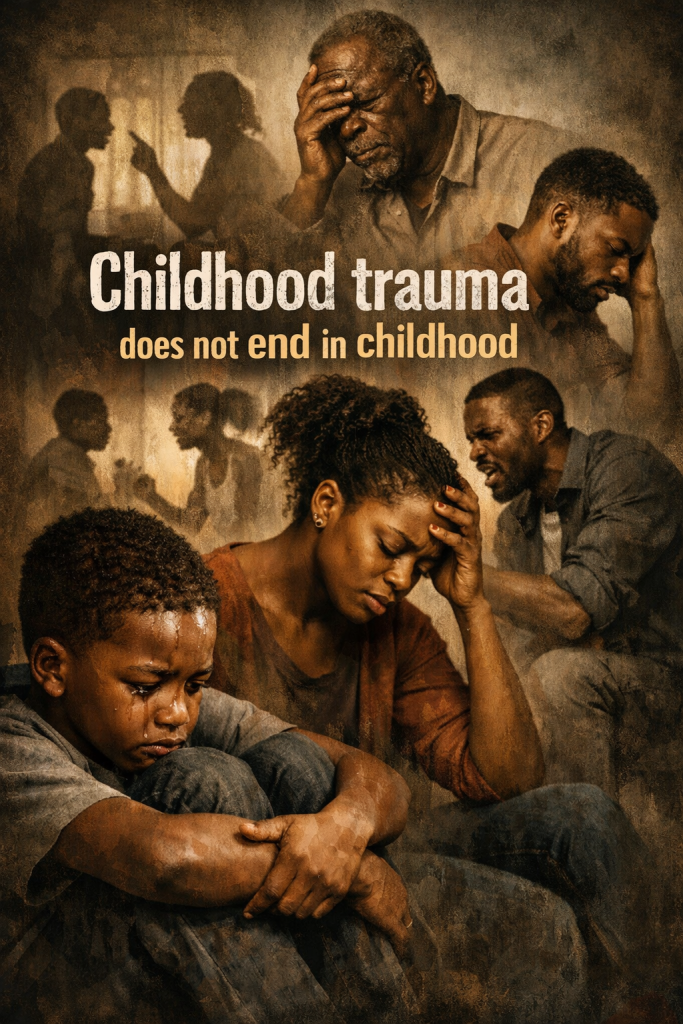
Childhood trauma does not always look dramatic from the outside. Sometimes it shows up as a child who is always anxious, easily startled, emotionally distant, or constantly trying to please adults in order to stay safe [2]. Other children may appear angry, defiant, or disruptive when they are actually responding to fear, instability, or pain they do not know how to explain [2].
Research shows that ACEs are associated with depression, anxiety, substance use, PTSD, and suicidal thoughts later in life [3]. In other words, childhood pain can become an adult illness when it is never recognized or treated [3.
How Trauma Repeats Across Generations
One of the most painful realities of trauma is that it can be passed down from one generation to the next [7]. Studies on intergenerational trauma show that parents who experienced abuse or neglect in their own childhood are more likely to struggle with emotional regulation, harsh discipline, withdrawal, or other patterns that can unintentionally harm their children [7].
This is not simply a story of bad parenting. It is often a story of unhealed pain. A parent who was never given the chance to process their own trauma may repeat the same behaviors that once hurt them, even while trying to protect their child [7]. That repeated cycle is dangerous because it normalizes dysfunction and makes trauma feel like family tradition instead of family injury [7].
How Trauma Shows Up Later
The effects of ACEs can become visible in childhood, adolescence, and young adulthood [2,7]. Some children may struggle to concentrate in school, sleep well, or trust adults [2]. Teenagers may respond with anger, isolation, risky relationships, substance use, or self-harm [7].
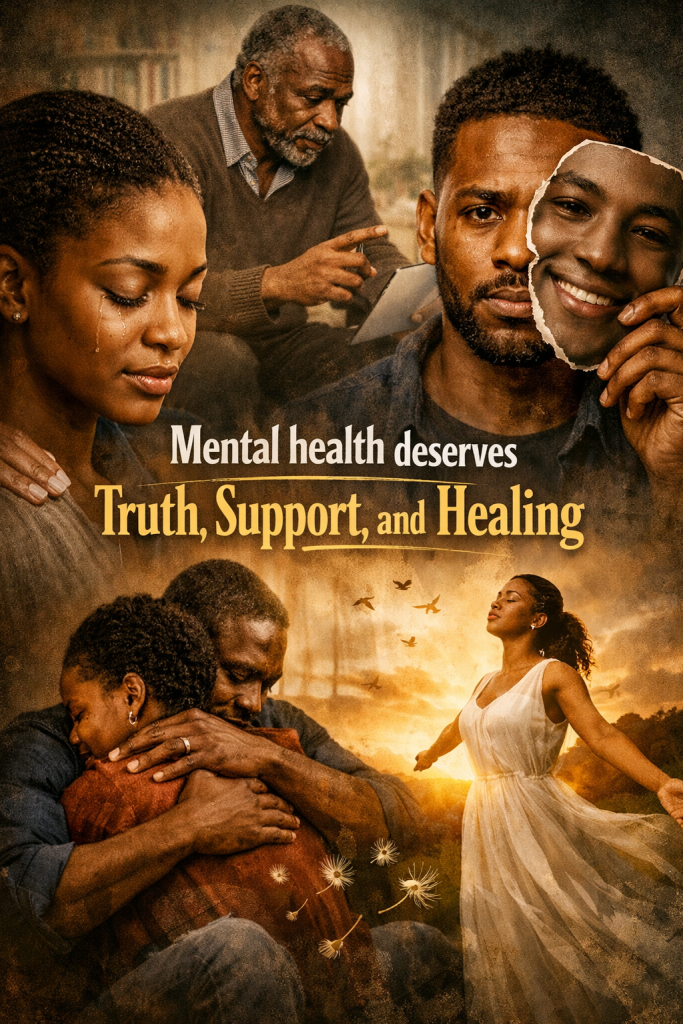
Young adults may carry the same wounds into college, work, dating, parenting, and friendships [3,7]. They may feel “fine” on the outside while battling panic, depression, shame, or emotional numbness on the inside [3]. When trauma is left untreated, it can shape identity, decision-making, and overall functioning well into adulthood [7].
Stigma in Black and Brown Households
In many Black and Brown families, mental health is often surrounded by silence, shame, or the belief that struggles should be handled privately [1, 8]. People may be told to “pray about it,” “toughen up,” or “keep it in the family,” even when a child or parent is clearly hurting [4, 8].
Stigma can delay treatment and prevent families from naming what they are experiencing as trauma, depression, anxiety, or grief [1, 4]. But faith and therapy do not have to conflict. Prayer, church support, and a close relationship with God can be powerful sources of strength, while counseling and clinical care can provide additional tools for healing [4, 5].
Why Boys Are Especially at Risk
Boys often suffer deeply from trauma, but their pain is frequently misunderstood [7, 9]. Many boys are raised to believe that vulnerability is weakness, so they learn to hide sadness, fear, and emotional pain behind anger, withdrawal, or risky behavior [7, 9].
For boys and young men, that silence can have serious consequences [7]. Trauma may later show up as violence, substance use, school problems, depression, relationship struggles, or emotional shutdown [7, 9]. In Black communities, these challenges can be intensified by stigma, racism, and limited access to culturally responsive mental health care [7, 8].
What Healing Requires
Healing begins when trauma is named honestly and care is made available early [1, 6]. Trauma-informed therapy can help children, teens, and adults understand their experiences, regulate emotions, and build healthier coping skills [3, 7]. Family support, safe adults, school-based mental health services, and community programs also play a major role [2, 6].
For Black and Brown communities, healing is strongest when care is culturally responsive and spiritually grounded [5, 8]. Therapy can help people process trauma, while faith can help them find meaning, hope, and restoration. The goal is not to choose one or the other, but to pursue whole-person healing [4, 5].
A Message for Families

A child’s trauma does not have to become their future [1]. A father’s pain does not have to become a son’s burden [7]. A mother’s unhealed wounds do not have to define the next generation [7].
Mental Health Awareness Month is a reminder that silence is not strength, shame is not healing, and suffering does not have to be inherited [6]. With therapy, support, community, and deeper spiritual healing, families can break cycles that once seemed unbreakable [4, 8].
References by source
- Centers for Disease Control and Prevention. ACE definitions, categories, trauma links, and stigma information [Centers for Disease Control and Prevention, 2025; Centers for Disease Control and Prevention, 2026].
- Commonwealth Pediatrics. Child trauma symptoms and behavioral effects [Commonwealth Pediatrics, 2026].
- JAMA Psychiatry. ACEs and adult mental health outcomes [JAMA Psychiatry, 2024].
- Mayo Clinic. Mental health stigma and treatment support [Mayo Clinic, 2025].
- Mental Health America / Mental Health Awareness Month resources [MHA, 2026].
- National Council for Mental Wellbeing. Mental Health Awareness Month framing [National Council for Mental Wellbeing, 2026].
- PMC research articles on ACEs, intergenerational trauma, boys’ mental health, and treatment barriers [PMC, 2007; PMC, 2019; PMC, 2020; PMC, 2022; PMC, 2023; PMC, 2024].
- USC Dworak-Peck School of Social Work. Mental health stigma in Black communities [USC, 2019].
- Think Global Health. Trauma in boys and men [ThinkGlobalHealth, 2024].